

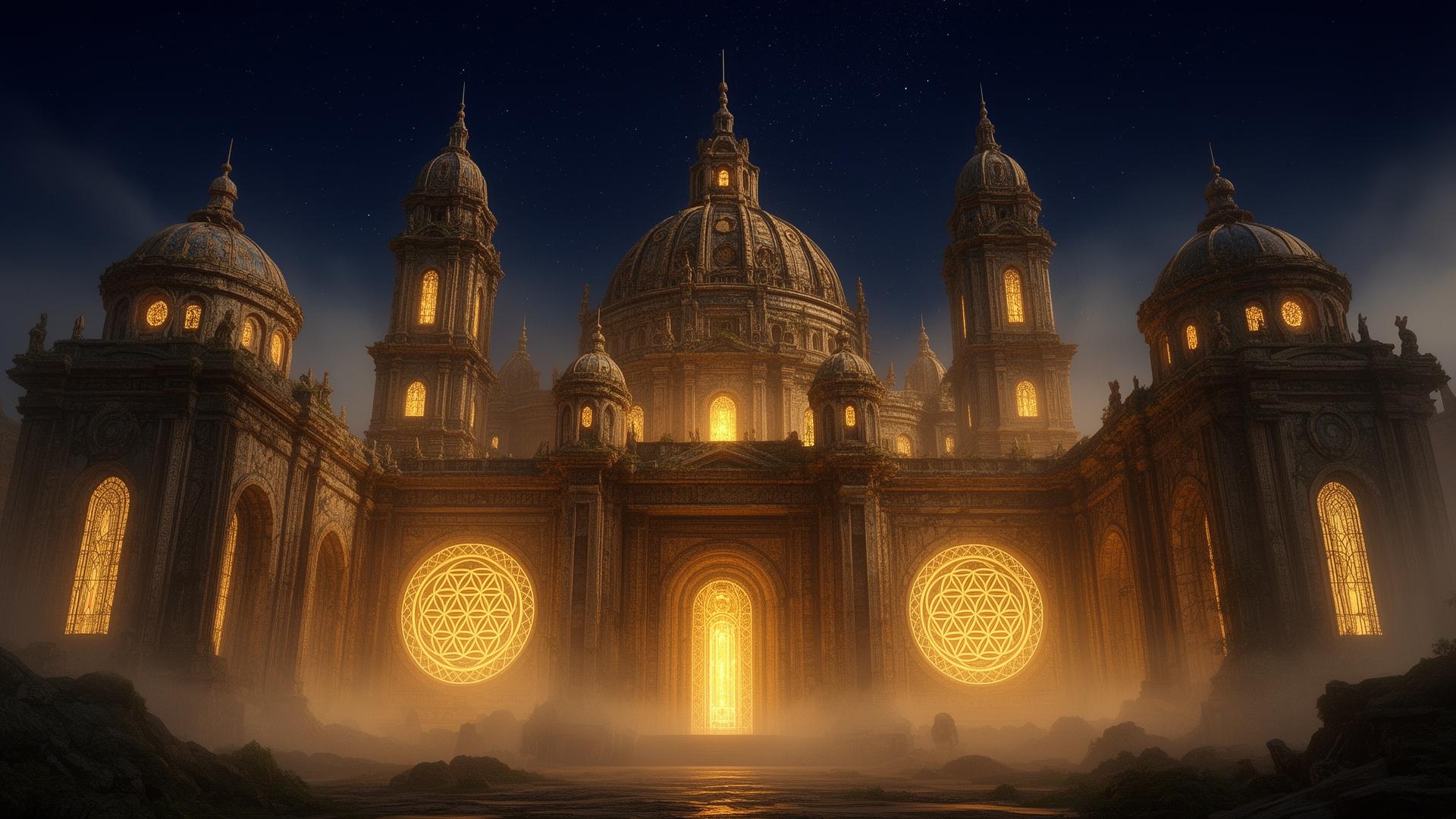

⚡ The Alternate Timeline
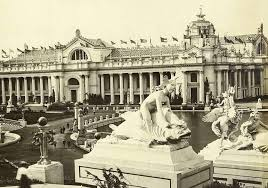
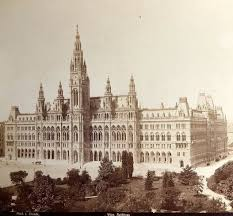
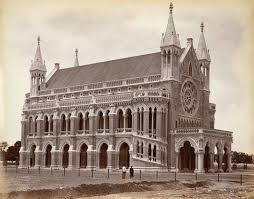
The transition that occurred between 1890 and 1920 saw distributed energy systems replaced globally, simultaneously, with remarkable coordination. Elaborate structures demolished under the guise of 'temporary' exhibitions. City centers systematically razed and rebuilt. Architectural features removed from existing buildings. Entire technological approaches abandoned in favor of centralized, combustion-based alternatives.
The evidence — impossible construction timelines, identical architectural principles across continents, conspicuous gaps in documentation — suggests this wasn't inevitable progress. It was too complete, happened too rapidly, and consistently favored centralization over the distributed systems that preceded it. These weren't gradual improvements. They were coordinated changes spanning continents within three decades.